Gross Pay
The amount used to calculate the wages of an employee (hourly) or the salary (for the salaried employee)
What is Gross Pay?
Gross pay refers to the amount used to calculate the wages of an employee (hourly) or salary (for the salaried employee). It is the total amount of remuneration before removing taxes and other deductions such as Medicare, social security, insurance, and contributions to pension and charity.
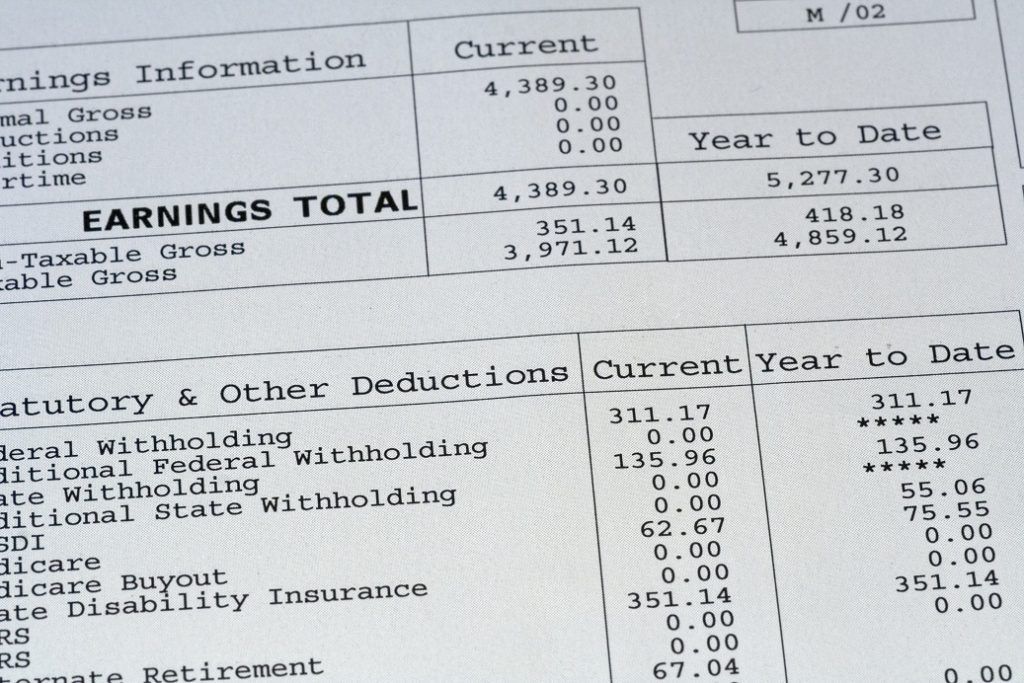
Components of Gross Pay
Gross pay includes the following:
- Wages (based on an hourly rate) and salaries (based on an annual rate)
- Bonuses
- Shift differentials
- Commissions
- Piece rate pay
- Vacation pay
- Sick pay
- Holiday pay
Whether it’s an hourly rate or annual rate, the computation depends on the amount that is agreed upon by both the employer and employee. The amount, also called the pay rate, must be agreed upon in writing before the start of employment.
Calculating Gross Pay for Hourly Employees
To get the gross pay at an hourly rate, multiply the number of hours worked during the pay period by the hourly pay rate. Specifically:
- Get the timesheet or attendance log of the employee to know the number of hours worked during the pay period.
- Multiply the total number of hours worked by the hourly pay rate.
- If the employee worked overtime, make sure to include the overtime hours in the gross pay.
- Take note that other benefits that may be taxable to the employee are not included in the gross pay.
Calculating Gross Pay for Salaried Employees
To compute the gross pay of employees with an annual rate, divide the total amount of yearly pay by the number of pay periods within a year. For example, if the employee’s annual pay is $12,000 and there are 24 pay periods in a year, their gross pay per period is $500. Other pay or benefits should be added.
Guidelines in Paying Overtime
According to the federal labor law, overtime pay is 1.5x the hourly rate of the employee who works more than 40 hours a week. Keep in mind that overtime regulations vary among states. If they are higher than the requirements of federal law, you should pay overtime according to existing state law(s).
In general, employees with an annual rate are exempted from overtime. However, according to federal law, lower-paid salaried employees are entitled to overtime pay. Specifically, if the salary of the employee is not more than $455 per week or $23,660 per year, he or she must receive overtime pay whenever applicable.
Additional Resources
CFI offers the Financial Modeling & Valuation Analyst (FMVA)™ certification program for those looking to take their careers to the next level. To keep learning and advancing your career, the following resources will be helpful:


