Get Certified for Financial Modeling (FMVA)®
Gain in-demand industry knowledge and hands-on practice that will help you stand out from the competition and become a world-class financial analyst.
The complete set of products and/or services offered by a firm
Product mix, also known as product assortment or product portfolio, refers to the complete set of products and/or services offered by a firm. A product mix consists of product lines, which are associated items that consumers tend to use together or think of as similar products or services.

Width, also known as breadth, refers to the number of product lines offered by a company. For example, Kellogg’s product lines consist of: (1) Ready-to-eat cereal, (2) Pastries and breakfast snacks, (3) Crackers and cookies, and (4) Frozen/Organic/Natural goods.
Length refers to the total number of products in a firm’s product mix. For example, consider a car company with two car product lines (3-series and 5-series). Within each product line series are three types of cars. In this example, the product length of the company would be six.
Depth refers to the number of variations within a product line. For example, continuing with the car company example above, a 3-series product line may offer several variations such as coupe, sedan, truck, and convertible. In such a case, the depth of the 3-series product line would be four.
Consistency refers to how closely related product lines are to each other. It is in reference to their use, production, and distribution channels. The consistency of a product mix is advantageous for firms attempting to position themselves as a niche producer or distributor. In addition, consistency aids with ensuring a firm’s brand image is synonymous with the product or service itself.
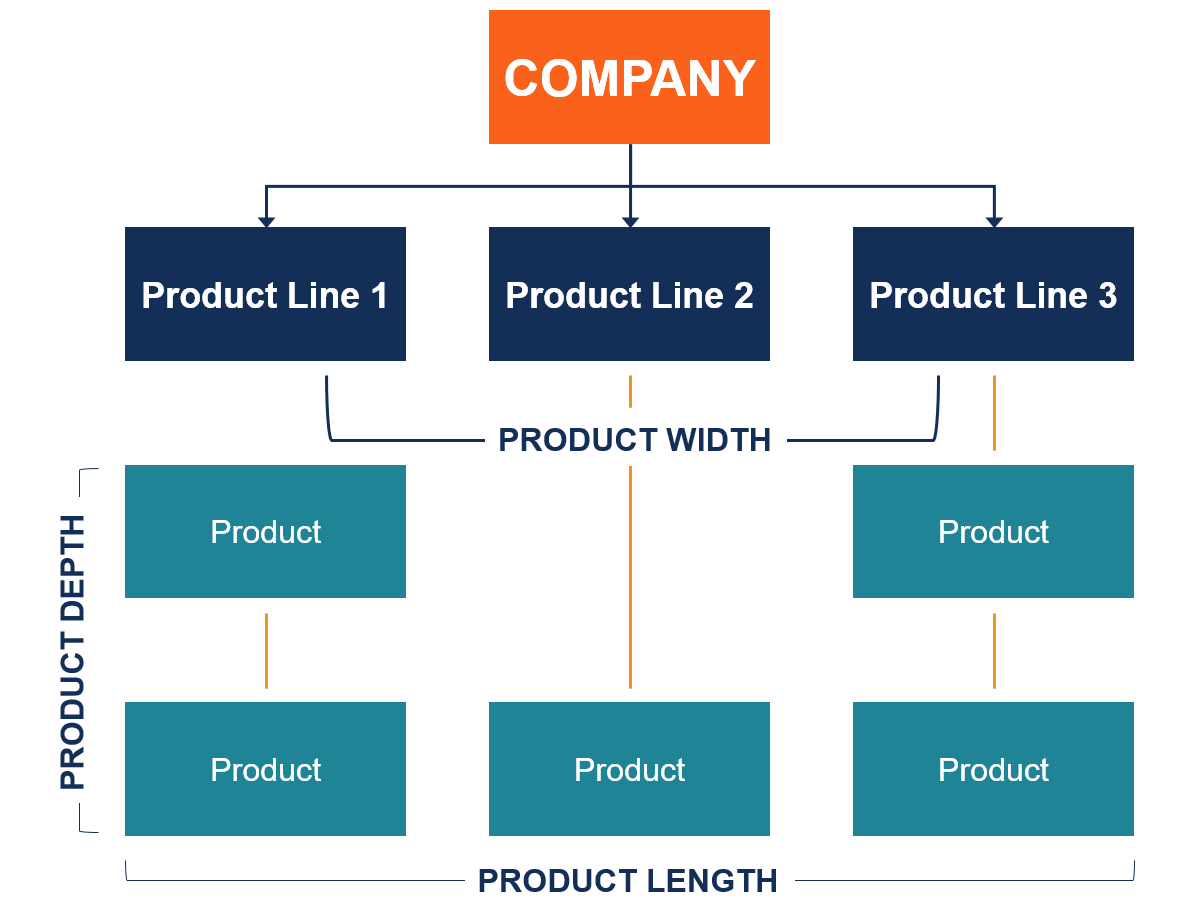
In the illustration above, the product mix shows a:
The mix is considered consistent if the products in all the product lines are similar.
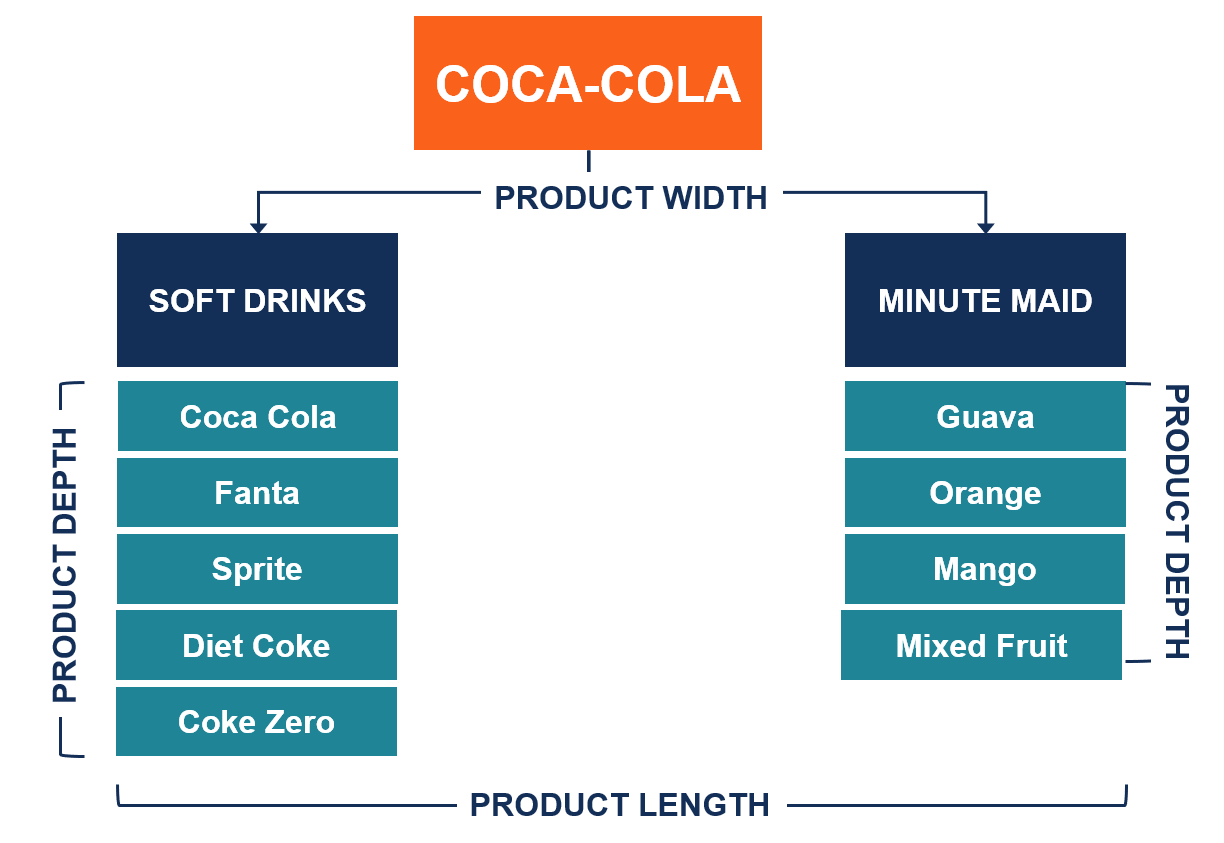
Let us take a look at a simple product mix example of Coca-Cola. For simplicity, assume that Coca-Cola oversees two product lines – soft drinks and juice (Minute Maid). Products classified as soft drinks are Coca-Cola, Fanta, Sprite, Diet Coke, Coke Zero, and products classified as Minute Maid juice are Guava, Orange, Mango, and Mixed Fruit.
The product (mix) consistency of Coca-Cola would be high, as all products within the product line fall under beverage. In addition, production and distribution channels remain similar for each product. The product mix of Coca-Cola in the simplified example would be illustrated as follows:
The product mix of a firm is crucial to understand as it exerts a profound impact on a firm’s brand image. Maintaining high product width and depth diversifies a firm’s product risk and reduces dependence on one product or product line. With that being said, unnecessary or non-value-adding product width diversification can hurt a brand’s image. For example, if Apple were to expand its product line to include refrigerators, it would likely have a negative impact on its brand image with consumers.
In regard to a firm expanding its product mix:
Successfully expanding a product mix can help a business adjust to changing consumer demand/preferences while reducing product risk and reliance on a single product or product line. This, in turn, generates substantial profits for the firm. On the other hand, poor product mix expansion can result in a detrimental impact on a company’s brand image and profitability.
Thank you for reading CFI’s guide to Product Mix. To keep learning and developing your knowledge of financial analysis, we highly recommend the additional CFI resources below:
Below is a break down of subject weightings in the FMVA® financial analyst program. As you can see there is a heavy focus on financial modeling, finance, Excel, business valuation, budgeting/forecasting, PowerPoint presentations, accounting and business strategy.
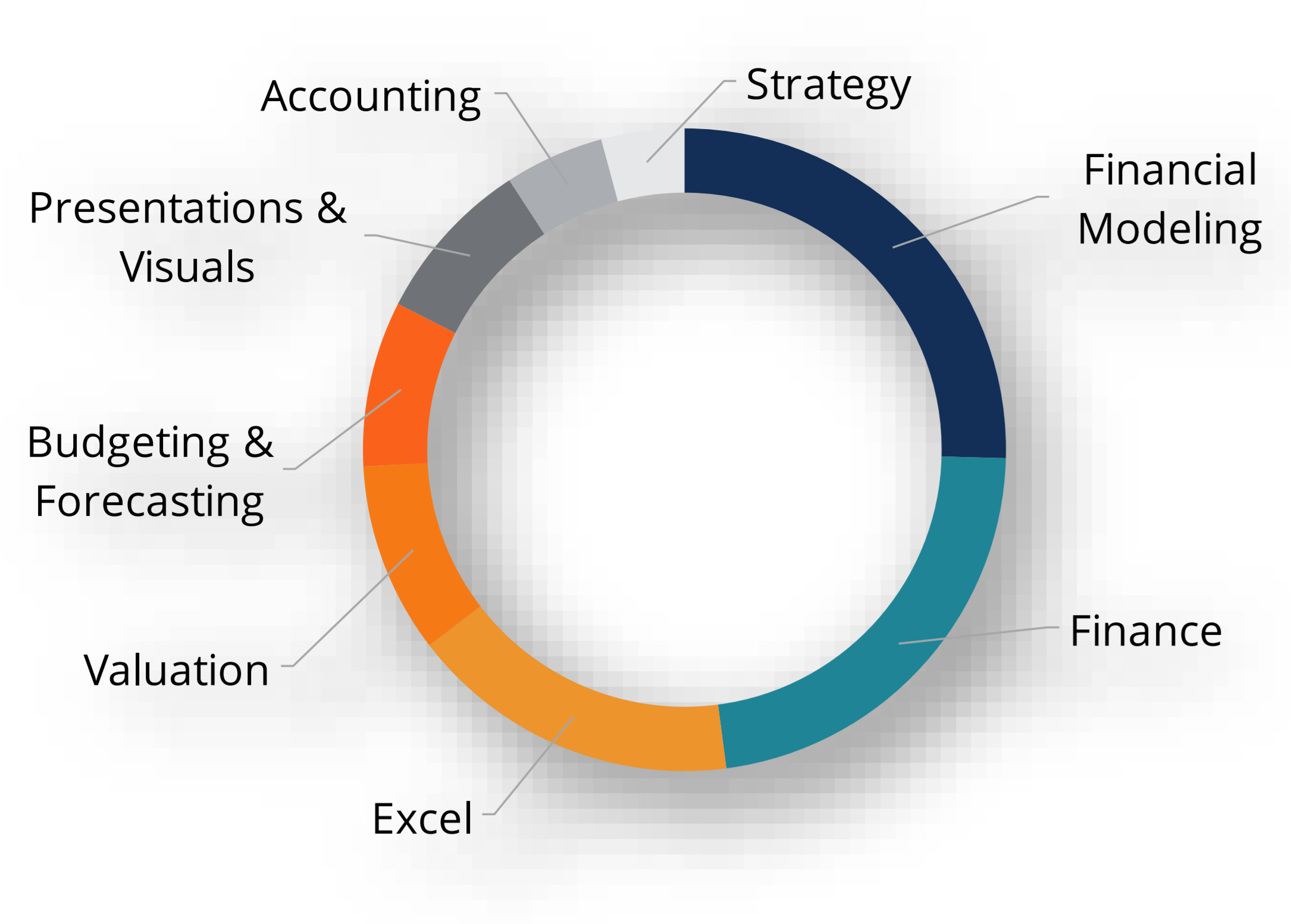
A well rounded financial analyst possesses all of the above skills!
CFI is the global institution behind the financial modeling and valuation analyst FMVA® Designation. CFI is on a mission to enable anyone to be a great financial analyst and have a great career path. In order to help you advance your career, CFI has compiled many resources to assist you along the path.
In order to become a great financial analyst, here are some more questions and answers for you to discover: