Get In-Demand Finance Certifications
Finance job descriptions are more than hiring checklists. They can serve as detailed maps of the skills, tools, and experience employers value most for a specific role. After you read a few, you start to see patterns of responsibilities and skills.
Job descriptions also provide a useful tool to identify the skills employers expect, understand what you need to learn, and use your skill gaps to create a focused training plan. This process can be especially helpful if you’re a student, early career professional, or making a career switch to finance.
This guide covers what you need to know to turn finance job descriptions into a learning roadmap and gain the right skills for competitive finance jobs.

Many people read job descriptions to decide whether to apply. Reverse engineering finance job descriptions means reading each posting as a source of career insight. You can use the description to understand which capabilities employers expect and what they want in an ideal candidate.
This approach works because job descriptions reflect employer priorities. As more employers focus on skills-first hiring, the qualifications, tools, and responsibilities they emphasize can show what candidates need to demonstrate in practical terms.
For financial analyst roles in particular, similar skills appear across job postings, such as advanced Excel, financial modeling, forecasting, or valuation. That repetition is useful because it tells about the core skills you need and where to focus your time.
Job descriptions have five main sections: job title, responsibilities, required qualifications, preferred qualifications, and company information. We tend to read these sections quickly to decide whether to apply or move on.
When you reverse engineer a job description, you read each section with a specific purpose. Look for what the role actually involves: daily work, technical depth, seniority, and the stakeholders you would likely work with. Company information can also help you understand the business context, such as the industry, company size, or teams the finance role supports.
The preferred qualifications section is also worth your attention. Preferred capabilities can reveal what the ideal candidate looks like, even when they are not required.
The job title is the first thing to read carefully in any finance job description. Titles communicate more about the role than you might expect.
An FP&A Analyst spends most of their time on budgeting, forecasting, and variance analysis. Analysts in investment banking focus on financial modeling, valuation, and client presentations. Financial modeling and valuation are also important in equity research, along with industry/company research and writing.
The title can give you a sense of which skills the role prioritizes. But don’t stop there. Continue on to the responsibilities section for confirmation and a deeper understanding of the skills you might need.
The responsibilities section of a job description is often the most useful part of a finance job description because it shows what the person in the role will actually do. While qualifications tell you what employers expect you to bring, responsibilities show what you will be expected to produce.
Read the responsibilities section closely and look for verbs tied to specific deliverables for clues about the skills you might need to build:
When similar responsibilities appear across several postings, they reveal the core work of the role. Those deliverables should guide the skills you prioritize later in your learning plan.
The qualifications section can feel intimidating in many finance job descriptions. They often mix baseline requirements with preferred skills, credentials, and experience. When you reverse engineer a finance job description, separate what you likely need to qualify from what could help you stand out.
Start with the required qualifications like education level, years of experience, accounting or finance knowledge, Excel proficiency, or role-specific experience. If a job requires financial modeling, forecasting, or valuation, make those skills priorities in your learning plan.
Second, review the preferred “but not required” qualifications, such as certifications, advanced tools, industry exposure, or a specific type of experience. While not mandatory, preferred skills can show what the employer sees as a stronger candidate profile.
Required qualifications can also help you judge the level or seniority of the role. For example:
Tool requirements are also helpful. Excel is often a baseline skill in finance roles, while tools such as Power BI, SQL, Python, Capital IQ, or Bloomberg may vary by role. If a tool appears repeatedly across postings for your target role, it may deserve a place in your learning plan.
Finally, translate vague phrases into real tasks:
Focus first on what is listed as required, what appears across several similar postings, and what connects directly to the role’s core responsibilities. That approach helps you build a realistic learning plan without getting distracted by every preferred item.
Finance job descriptions become more useful when you start looking for patterns across the posting. Repeated themes across responsibilities, skills, tools, and qualifications can reveal what the role truly emphasizes.
You can find useful clues within a single job description. Those clues become more reliable when you see them repeated in several descriptions for similar roles. If the same skills or tools appear across various roles like FP&A analyst, M&A analyst, or corporate financial analyst descriptions, those patterns are worth taking seriously.
From there, you can group the repeated skills into categories and decide which ones should be included in your learning plan.
The most important phrases in a finance job description become easier to use when you group them into skill categories. This step turns a long list of requirements into a clearer view of the capabilities needed to perform the role’s core functions.
Start by scanning the responsibilities and qualifications for phrases that point to concrete work. Then sort those phrases into four broad categories:
The goal is not to create a perfect category for every phrase. Some job description bullet points fit more than one category. For example, “prepare presentations for leadership” may point to PowerPoint, data storytelling, and stakeholder communication. The goal is to identify which skill areas appear most often and connect most closely to the role’s core responsibilities.
Here’s how a few job description bullet points translate into skill categories:
After you’ve grouped skills into categories, you can move on to deciding which areas deserve the most attention in your learning plan.
Once you map the job description into skill categories, decide which skills should drive your learning plan. The most useful question is not simply, “Is this required or preferred?” A better question is, “Which skills are central to doing this specific job well?”
Core skills are the repeated themes that appear in the title, responsibilities, and required qualifications. They directly support the work you would be expected to do. Nice-to-have capabilities are tools, credentials, systems, or extras that appear in the posting but are not central to the role’s main responsibilities.
For example, an FP&A Analyst learning plan should emphasize budgeting, forecasting, variance analysis, Excel, reporting, and stakeholder communication. An Investment Banking Analyst learning plan should prioritize financial modeling, valuation, transaction analysis, PowerPoint, Excel, and market or company research.
To prioritize your skill categories, start with the skills that appear in the title and responsibilities. Give extra weight to the required qualifications. If the same skills appear across several similar postings, treat those skills as stronger signals. Move tools or credentials higher on your list when they show up repeatedly or clearly support the core work.
A strong learning plan focuses first on the skills that would make you credibly ready to do the job described. Stretch goals still have a place, especially when they help you stand out, but they should come after the skills most closely tied to the role’s day-to-day work.
Skill patterns in a finance job description give you the raw material for a focused learning plan. The goal is to move from broad requirements to specific actions you can take.
A useful learning plan connects each job description phrase to a skill, a learning resource, and a proof-of-skill output. For example, a phrase like “support budgeting and forecasting” may point to forecasting methods, a course or practice exercise, and a completed forecast model you can discuss in an interview.
That connection keeps your learning plan practical. You are not just collecting finance topics to study. You are building the skills and proof points that show you can do the work your target role requires.
Finance job descriptions often use short phrases to describe work that requires several connected skills. A phrase like “build financial models” may sound like one requirement, but it usually requires a mix of technical skills, tool proficiency, and hands-on experience.
To make the learning plan more useful, translate each phrase into the skills behind the work:
The more specific the translation, the easier it becomes to choose the right learning resources and practice projects. Instead of adding “financial modeling” or “valuation” to your plan as broad topics, you can define the exact skills you need to build and the type of work you need to practice.
A strong learning plan should help you learn the skill and show evidence that you can apply it in real-world finance work. Courses can help you develop job-ready skills in areas like accounting, financial modeling, valuation, forecasting, Excel, Power BI, and SQL.
Hands-on projects help turn learning into practice. You might build a financial model, create a forecast, prepare a valuation analysis, or build a dashboard using public data. These projects help you produce work similar to what a finance role may require.
Networking can also strengthen your learning plan, but it should support skill development rather than replace it. Conversations with people in your target role can help you understand how the work looks in practice, what hiring managers value, and which skills deserve more attention.
Finally, think about how each skill can become a work sample you can showcase in job interviews. A resume bullet might say, “Built a three-statement financial model with revenue drivers, operating expenses, debt schedule, and cash flow outputs.” A portfolio piece could include a clean version of the model, along with a dashboard, a short summary of the assumptions used, and a brief explanation of what the outputs show.
A learning plan that includes both skill-building and evidence of job-readiness makes you a stronger candidate for the roles you want.
After you identify what a finance job description is really asking for, compare those requirements against what you can already show. Look at your current skills, experience, credentials, tool exposure, and project evidence.
Treat this comparison as a way to focus your learning plan, not as a list of reasons you are unqualified. You may already have strengths you can build on, along with gaps in technical skills, software tools, or communication examples. Decide which skill you need to strengthen next, so your learning plan moves you closer to the role you want.
The right learning plan is sequenced, not random. Start with the gaps that show up often, connect directly to the job’s daily work, and affect your credibility for the target role.
To rank your gaps, ask three questions:
You can also group your gaps by type:
You do not need to fix every weakness before applying for roles. The goal is to focus first on the gaps that would most affect your readiness for the job described. Hiring decisions depend on many factors, but a clear sequence helps you spend your learning time where it can make the biggest difference.
Finance roles often share the same foundation, but they do not all require the same learning plan. Excel, accounting, financial analysis, and communication show up across many career paths. The difference is how each role uses those skills.
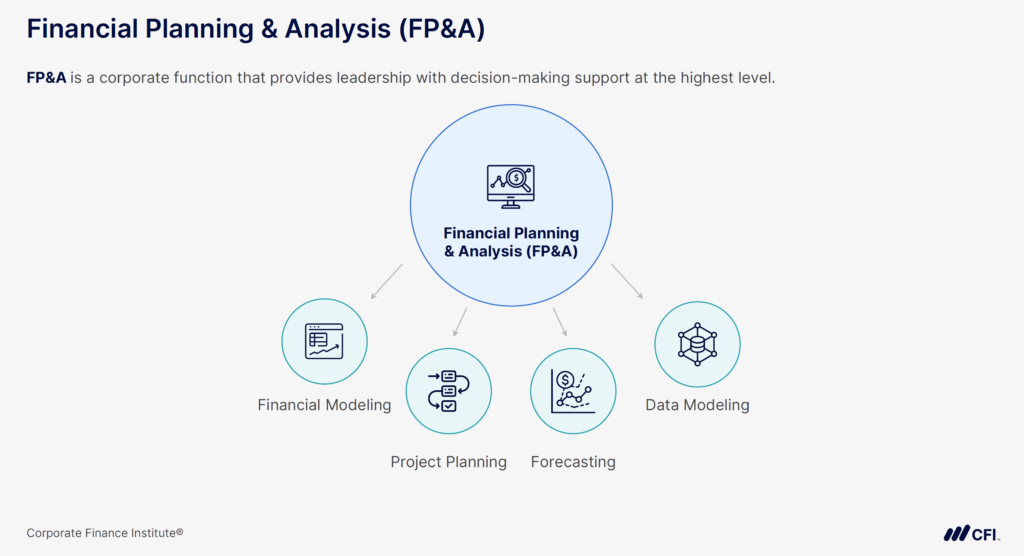
If your target role is in FP&A or corporate finance, your learning plan should emphasize planning, reporting, and communication. Budgeting, forecasting, and variance analysis often appear across FP&A job descriptions.
Focus on core skills like Excel, accounting, and financial modeling to build a strong technical foundation. Then prioritize your communication and data storytelling skills to help you clearly explain financial trends to department leaders or senior leadership.
For an investment banking role, your learning plan should place more weight on valuation, financial modeling, transaction analysis, and presentation work. DCF analysis, comparable company analysis, and precedent transactions matter more here than they normally would in many corporate finance roles.
PowerPoint skills are also critical because investment banking analysts need to turn analysis into clear, polished materials for clients or senior deal teams.
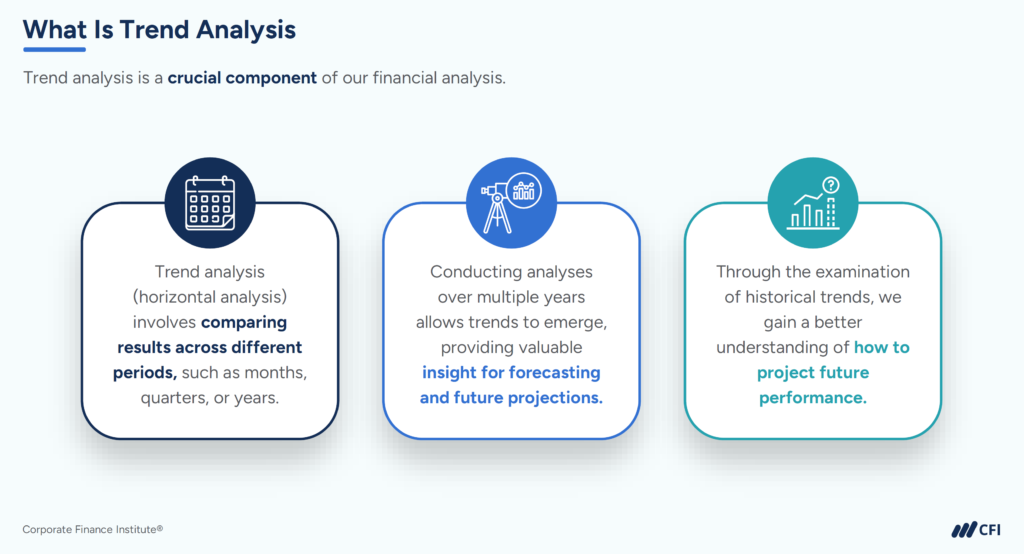
If your target role is equity research, your learning plan should emphasize financial ratio and trend analyses, financial modeling, and valuation. You also need to know how to find reliable company data from official sources like SEC filings, earnings calls, and press releases. Strong writing skills are critical in equity research to turn an analysis into clear reports, summaries, and investment theses.
If your target role is in commercial lending or credit, your learning plan should focus on credit analysis, financial statement interpretation, cash flow, and risk awareness. These roles often require you to assess a borrower’s ability to repay debt, understand lending terms, and communicate risk clearly.
Start by building the finance fundamentals. From there, commercial lending or credit analysis training can help you develop skills in borrower assessment, lending decisions, and credit risk.
After you reverse-engineer a finance job description, the next step is choosing resources that match the skills you need to build. Your learning plan should point you toward courses, certifications, and specializations that support the role you want, rather than a generic list of finance topics.
A CFI membership gives you access to all certifications and specializations, so you can choose the courses that match the job description you just analyzed. Start with the skills most central to your target role, then add supporting courses when the posting mentions related tools, topics, or credentials.
Finance job descriptions can show you what to learn next, but the value comes from acting on that information. Once you know which skills matter most, you can build a learning plan that helps you close skill gaps, create projects and work examples, and demonstrate readiness for your target role.
CFI can help you put that plan into action with self-paced courses, certifications, and specializations focused on job-ready finance skills. Whether you need to learn Excel, financial modeling, valuation, budgeting, or forecasting, you can choose learning resources that match the work described in the job postings you reviewed.
When you join CFI, you get support with ready-made career paths and learning plans. CFI’s Career Map lays out a clear path to your target finance role and highlights the skills you need to develop. It also connects each role to the specific CFI courses, certifications, and specializations that will help you build those skills.
Once you have closed your skill gaps, you can use CFI’s AI resume builder to turn your new capabilities into a tailored, job-ready resume aligned with the same finance job descriptions you started with, and you can browse the CFI Job Board to discover real-world opportunities that match your newly strengthened profile.
Join over 3 million registered users who use CFI to build practical finance skills. According to CFI learner outcomes data, 75% of learners reported securing a promotion or new role.