Get In-Demand Finance Certifications
Individuals in commercial banking roles help medium and large businesses manage their financial needs and growth strategies with financial services, such as loans, credit, and cash management.
A career in commercial lending involves helping businesses secure financing to fund operations, expansion, and long-term investments. Professionals in this field evaluate credit risk, structure business loans, and manage client relationships for banks, credit unions, and private lenders.
Commercial lending plays a vital role in business growth. When a company needs a loan or credit line to purchase new equipment, acquire property, or fund its expansion, lenders assess whether that business can repay its loan responsibly.
Careers in commercial lending are therefore both analytical and client-facing, combining financial analysis, relationship management, and problem-solving.

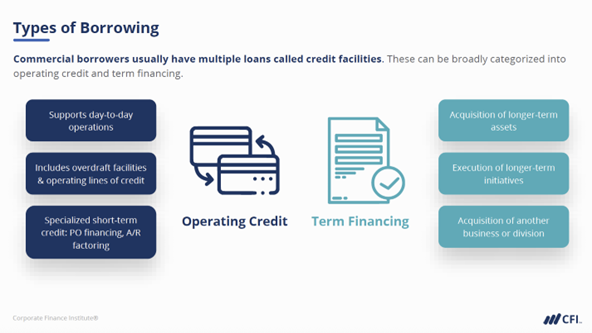
Commercial lending is the process through which financial institutions like banks or credit unions provide loans and credit facilities to medium and large-sized businesses. These loans are used to finance a variety of business needs, such as working capital, equipment purchases, real estate acquisitions, supply chain financing, and business expansion.
Commercial lending differs from personal or consumer lending in that it focuses on the financial health, cash flow, and collateral of businesses rather than individuals. Common commercial lending products include:
Commercial lending professionals are finance and banking specialists who work with medium and large-sized businesses to evaluate, structure, and manage loans and lines of credit. They can be found in many banks, credit unions, and private lending institutions.
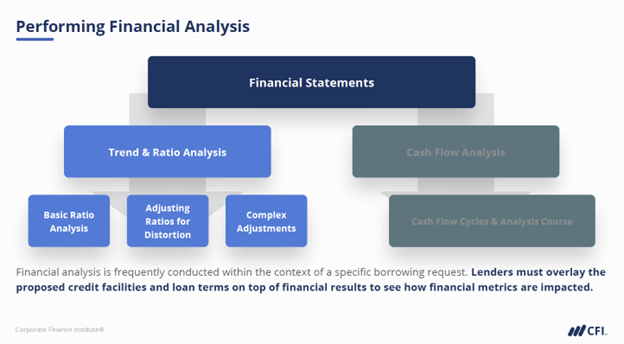
These professionals assess the financial strength of businesses and determine whether they qualify for credit. They analyze cash flow, profitability, and ability to take on and repay corporate debts, then design loans that balance risk and return for both lender and borrower.
A commercial lending professional’s main goal is to help their business clients secure funding for their operating needs, expansion, equipment purchases, real estate, or overall business expansion.
To become a successful commercial lending professional, you need a blend of technical, analytical, and interpersonal skills. Here are the key required skills:
Soft Skills
Commercial lending can be an appealing career path because it offers a mix of finance, financial analysis, and client interaction without the long hours often associated with more intense areas of finance.
Entry-level roles are usually structured and team-based. This gives new professionals the chance to learn from senior lenders, credit analysts, and underwriters while building technical and soft skills. This type of environment can be especially valuable for someone who wants to build confidence with a clear path for career growth.
In terms of lifestyle, commercial lending often offers a more predictable schedule than careers such as investment banking, though busy periods can still come up around loan closing deadlines, credit memos, and portfolio reviews. This career path tends to be a strong match for those curious about how businesses operate and who are comfortable working with numbers, attentive to detail, and interested in building professional relationships over time.
If you want a finance career that combines analytical work with a people-facing element, commercial lending is a strong place to start.
Most commercial lending professionals hold a bachelor’s degree in finance, accounting, economics, or business administration. These programs build essential skills in credit evaluation, financial statement analysis, and business operations.
Certifications strengthen technical expertise and signal credibility to employers. CFI’s Commercial Banking & Credit Analyst (CBCA®) certification provides hands-on training in financial analysis, credit structuring, and risk assessment, skills directly applicable to commercial banking and lending careers.
Commercial lending includes several career paths, each focused on specific business segments or loan types.
Credit analysts work with business borrowers to understand their creditworthiness. Analysts may work for direct commercial lenders (like a bank), or they may work in corporations supporting trade credit decisions.
Relationship managers (RMs) and account managers oversee a portfolio of commercial clients, develop new business, and maintain client relationships. RMs are responsible for both credit structuring and business development, and senior RMs handle larger or more complex clients.
A Commercial Real Estate Lender is a banking professional who specializes in providing financing solutions for real estate projects, such as office spaces, R&D facilities, warehouses, retail centers, and other commercial properties. These professionals play a crucial role in helping businesses acquire, build, or refinance properties to expand without exhausting their working capital.
Many commercial lending professionals would tell you that no two days are totally alike, but there are some thematic consistencies. The following profiles provide a day-in-the-life snapshot for credit analysts and relationship managers.
A typical day for a credit analyst usually involves reviewing financial information, assessing borrower risk, and supporting lending decisions. Much of the day is spent analyzing financial statements, reviewing cash flow, calculating credit metrics, and evaluating how well a borrower can repay a loan.
The role also includes writing or updating credit memos, gathering documents from clients or relationship managers, and discussing findings with lenders, underwriters, or credit officers. Depending on the institution, a credit analyst may also monitor existing loans, track loan covenant compliance, review annual renewals, and flag potential risks in the portfolio.
Overall, the job is a mix of detailed financial analysis, written communication, and collaboration with teams involved in the credit approval process.
A day in the life of a commercial lender (often called a Relationship Manager or Loan Officer) is dynamic, client-focused, and involves a mix of routine and unpredictable activities:
The morning is typically spent catching up on client correspondence, handling requests, and coordinating with internal teams (analysts, adjudicators) to move transactions forward. On days when a funding or loan advance is scheduled, a significant amount of time goes into coordinating the closing process. That often includes calls with clients, their legal counsel, the bank’s fulfillment officer, and other parties to make sure all details are handled smoothly.
On quieter days, commercial lenders may take clients out for lunch to thank them for their business and look for new opportunities, or meet with market influencers (accountants, lawyers) to build referral relationships and stay informed about local market conditions.
Afternoons might involve visiting client locations to check on financed equipment or projects, or attending networking events, panels, or seminars. Some relationship building happens through sporting or social events.
A typical career progression in commercial lending (commercial banking) follows a structured path, with opportunities to specialize or move into leadership as you gain experience:
Credit Analyst or Associate → Relationship Manager → Senior Relationship Manager → Director of Commercial Banking or Chief Credit Officer
| Entry Level | Junior Credit Analyst, Analyst Intern | • Analyze financial statements. • Review credit requests. • Build financial models. • Support senior analysts on loan reviews and documentation. |
|
| Mid-Level | Senior Credit Analyst, Relationship Manager, Commercial Banker | • Supervise junior analysts and review their work. • Manage client portfolios and relationships. • Make credit and lending decisions. • Specialize in areas like commercial real estate or equipment finance. |
|
| Senior Level | Vice President of Lending, Credit Risk Manager, Director | • Lead lending or credit teams. • Structure large or syndicated loans. • Oversee loan portfolio performance and lending strategy. • Manage problem loans when repayment issues arise. |
Most commercial lending professionals start out as credit associates or credit analysts. Associates support relationship managers (RMs) with client onboarding, day-to-day account servicing, and handling basic client requests. Credit Analysts evaluate the financial health of business clients, assess their industry and management, and prepare their credit applications.
For those interested in a commercial lending career, here are a few actionable tips that can help make breaking into the profession and progressing easier:
Before applying for a commercial lending position, it is also important to develop the essential skills for a finance internship that recruiters expect from early-career candidates.
A career in commercial lending combines analytical rigor with relationship-building. You’ll help businesses secure funding, assess credit risk, and develop customized financing strategies. With a foundation in finance or accounting and advanced training through certifications like CFI’s Commercial Banking & Credit Analyst (CBCA®) certification, you can build a rewarding career that connects financial insight with business growth.
Ready to take the next step in your financial career? Check out CFI’s comprehensive course catalog to gain the knowledge and certifications that can set you apart in the world of investment banking. Explore CFI’s Career Map to discover the best path toward your professional goals.
Connect what you just learned to a clear career path with CFI’s role‑based courses and certification programs.