Get In-Demand Finance Certifications
Investment banking career paths are dynamic and prestigious within the financial services industry, attracting ambitious professionals seeking to work at the intersection of finance, strategy, and corporate growth.
Below, we’ll explore what investment bankers do, providing insights into the roles, responsibilities, skills, and qualifications required to succeed in this challenging yet rewarding field. This includes what it takes to become an investment banker, the career trajectory, and the key considerations for those interested in pursuing this exciting professional journey.

Investment banking is a specialized area of banking focused on helping large corporations, institutions, and governments access capital markets and complete complex financial transactions. Unlike traditional banks, which accept deposits, investment banks act as intermediaries and advisors to their clients.
Investment banks are typically segmented into three tiers:
Clients usually turn to investment banks for high-value, complex transactions or deals because investment banks have the expertise, network, and resources to manage these processes.
For example, if a company wants to conduct an initial public offering (IPO) or issue bonds, the investment bank will underwrite the transaction, handle due diligence, price the securities, and connect with institutional investors to ensure a successful offering.
Investment banking professionals work within specialized financial institutions, supporting corporations, governments, and other entities in achieving their financial objectives. They typically work in the Investment Banking Division (IBD) of an investment bank, which is known for its demanding environment, long hours, and high compensation.
These professionals review financial statements, research industries and market conditions, build complex financial models, and prepare presentations and pitchbooks for clients. Senior bankers lead client relationships, structure transactions, negotiate terms, and coordinate the many parties involved in bringing a deal to completion.
Investment banking roles require strong technical and analytical skills, sound judgment, and a clear understanding of how strategic transactions affect a company’s financial position and future direction.
Success in an investment banking career requires more than strong quantitative ability. It calls for a mix of technical finance knowledge, analytical thinking, communication skills, and the ability to perform well in a fast-moving, high-pressure environment. Because investment bankers support major corporate transactions, they need to work with precision, think critically, and communicate clearly at every stage of the deal process.
Investment banking professionals spend much of their time evaluating companies, industries, and transactions. Strong analytical skills help them interpret financial information, assess business performance, and identify the factors that affect valuation and deal structure.
Investment bankers use analytical skills to:
Analytical thinking helps investment banking professionals move beyond the numbers and understand what those numbers mean in the context of a transaction.
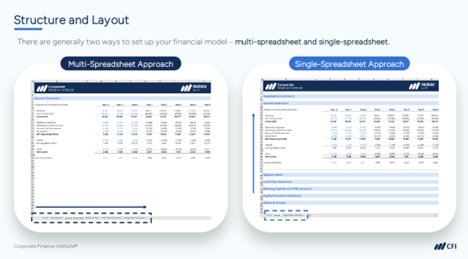
Financial modeling and valuation are central to investment banking work. Analysts and associates must be able to build models that support transaction analysis, value businesses, and test different scenarios. These models help clients and senior bankers evaluate deal terms, financing options, and strategic alternatives.
Investment banking professionals use financial modeling and valuation skills to:
Strong capabilities in financial modeling and valuation analysis enable investment bankers to support recommendations with clear, structured analysis.
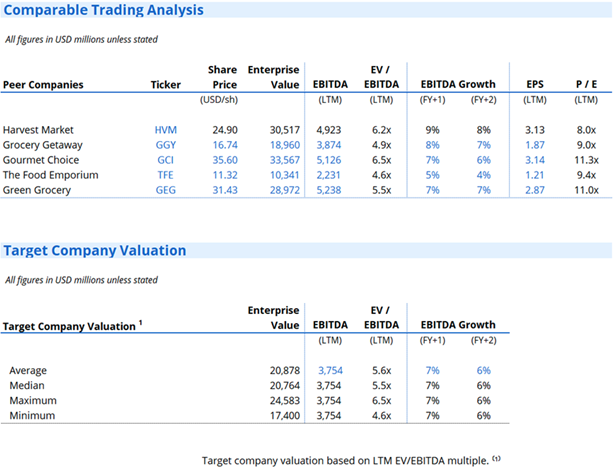
A solid understanding of accounting is necessary for working in investment banking. Professionals in this field need to read financial statements accurately, understand how the statements connect, and recognize how accounting decisions can affect a company’s worth, deal structure, and financial performance.
This knowledge helps investment banking professionals:
Without a strong accounting foundation, it is difficult to build reliable analysis or support sound transaction advice. Investment banking involves heavy use of technical language, so it’s worth familiarizing yourself with confusing corporate finance jargon early on.
Investment banking is known for demanding schedules and deadline-driven work. Professionals often manage multiple assignments at once while responding to changing client needs and transaction developments. You must be good at time management to stay organized and maintain quality even when priorities shift quickly.
This skill supports the ability to:
The ability to work under pressure is closely tied to consistency, professionalism, and reliability.
Investment banking professionals must communicate clearly in both written and verbal form. The role involves preparing presentations, drafting transaction materials, explaining analysis, and responding to questions from clients, senior bankers, and other stakeholders.
Strong communication skills help professionals:
Clear communication improves the quality of both client materials and day-to-day execution.
The work life of an investment banker is often characterized by demanding schedules and high-stakes professional environments. However, becoming an investment banker is considered incredibly rewarding thanks to the compensation and professional accomplishments one can achieve throughout their career.
Starting with investment banking analysts and associates, you can expect the following out of the career:
As bankers progress in their careers, work-life balance often improves, but the intensity remains due to the nature of the career. Senior bankers have more control over their schedules but continue to manage complex, time-sensitive projects.
Overall, the career demands significant personal sacrifice, particularly in the early stages, but offers substantial financial rewards and professional growth opportunities.
To pursue a career in investment banking, you need a bachelor’s degree, typically in finance, economics, business, accounting, or a related field. Many investment bankers also hold a master’s degree, such as an MBA, which can help you enter at a higher level (e.g., as an associate instead of an analyst) and is especially valuable for career advancement.
Investment banks look for candidates with strong practical skills in Excel, financial modeling, and valuation analysis. Professional certifications are not mandatory, but are highly regarded and can give you a competitive edge. For example, CFI’s Financial Modeling & Valuation Analyst (FMVA®) certification focuses on the core hands-on modeling and valuation skills used daily in investment banking.
Within investment banking, there are several specialized paths you can pursue, each focusing on different client needs and financial products:
Specialists in M&A advise companies on buying, selling, or merging with other businesses. They handle valuation, negotiation, deal structuring, and coordination of the due diligence process. This path involves building sophisticated financial models, preparing marketing materials, and working closely with legal and consulting teams to close transactions.
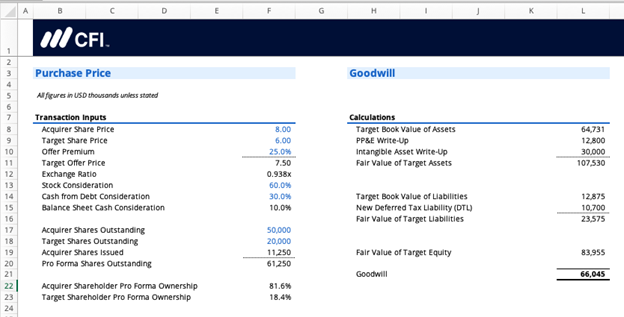
ECM professionals help companies raise capital by issuing equity (stocks) in public or private markets. This includes initial public offerings (IPOs), follow-on offerings, and private placements. ECM teams assess market conditions, determine deal structure and pricing, and guide clients through regulatory processes for equity issuance.
DCM specialists work with corporations, governments, and institutions to raise funds through the issuance of debt securities (such as bonds). They advise on structuring, pricing, and distributing debt, monitor fixed income markets, and help clients optimize their capital structure for current conditions.
Investment banks have teams dedicated to specific industries (e.g., healthcare, technology, real estate). These teams combine sector expertise with financial advisory skills to provide tailored solutions to clients within their sector, working on both M&A and capital markets transactions.
Origination teams in both ECM and DCM are responsible for bringing new securities (equity or debt) to market. They advise issuers, structure offerings, support clients, and guide investors in primary markets.
These paths each require a combination of technical expertise, sector knowledge, and client management skills. As you progress in your career, you may choose to specialize in one of these areas based on your interests and strengths, or move between them as opportunities arise in the industry.
A typical day in the life of an investment banker, especially at the analyst or associate level, is fast-paced and highly varied, depending on how many live deals your team is handling. Here’s a realistic outline:
Your day often begins early by joining the sales, trading, and research team’s morning call to get market updates and insights. Even if you aren’t directly market-facing, you need to stay informed about market trends and overnight news, as clients will expect commentary on current events.
If your team is leading deals, you’ll be extremely busy preparing pricing sheets, term sheets, and deal summary documents for clients. This requires precision, speed, and strong analytical skills with tools such as Excel and PowerPoint. You may also be responsible for coordinating with legal, compliance, and syndicate teams and responding to client requests throughout the day.
When there are fewer live deals, your day may involve updating market slides, responding to requests from industry group peers, and creating case studies based on recent transactions. You might also catch up on administrative tasks, research, or professional development.
You’ll need to demonstrate attention to detail, analytical rigor, and the ability to juggle multiple priorities. The pace can shift rapidly depending on market activity and client needs.
Long hours are common, especially as deadlines approach or if you’re coordinating with teams in different time zones. The work can stretch late into the night, particularly when preparing presentations for clients or working on live transactions.
This routine gives you exposure to high-profile deals, complex problem-solving, and fast-paced teamwork — key features of the investment banking profession.
Investment banking careers generally follow a consistent and structured hierarchy across the industry. The typical progression looks like this:
Entry-Level Analyst → Associate → Vice President (VP)/Executive Director (ED) → Director → Managing Director (MD)
Analysts are entry-level professionals, typically recent graduates with a bachelor’s degree in finance, business administration, or a related field. Also referred to as junior bankers, they serve as the foundation of financial analysis and support for senior team members.
The primary responsibilities of analysts include:
Analysts typically spend two to three years in this role, using the position as a critical learning experience. The job demands exceptional attention to detail, strong analytical skills, and the ability to work long hours under high-pressure conditions. Many view this role as a stepping stone to future opportunities in finance, such as pursuing advanced degrees or transitioning to other financial career paths.
Investment banking associates represent the next step in the career progression, typically entering the role after completing an MBA program or gaining significant experience as an analyst. Associates take on more complex responsibilities and begin to manage junior team members.
The key duties of associates include:
Associates typically remain in this role for three to four years, gaining crucial experience in complex financial transactions and developing the skills necessary for senior leadership positions. This stage is critical for understanding the nuanced work of investment banking and building a professional network within the financial services industry.
As investment bankers progress in their careers, they move into increasingly senior and strategic roles with responsibilities for client relationship management, deal structuring, winning new business, team management, and strategy:
For those interested in an investment banking career, here are a few actionable tips that can help make breaking into the profession and progressing easier:
Before applying for an investment banking position, it is also important to develop the essential skills for a finance internship that recruiters expect from early-career candidates.
The investment banking career path can offer an exciting and challenging journey for ambitious finance professionals. While demanding, it provides unparalleled opportunities for personal and professional growth, exposure to complex financial transactions, and the chance to work with leading global corporations.
For those evaluating front-office roles, consider the investment banker vs financial analyst career trajectory. For those looking to dive deeper into financial knowledge and prepare for a dynamic career in investment banking, we recommend exploring comprehensive financial training programs that can provide the skills and credentials needed to succeed in this competitive field.
Always remember your journey into investment banking starts with a commitment to learning, persistence, and a passion for financial strategy.
Ready to take the next step in your financial career? Check out CFI’s comprehensive course catalog to gain the knowledge and certifications that can set you apart in the world of investment banking. Explore CFI’s Career Map to discover the best path toward your professional goals.