Get Certified for Financial Modeling (FMVA)®
Gain in-demand industry knowledge and hands-on practice that will help you stand out from the competition and become a world-class financial analyst.
The process of searching for, negotiating, and purchasing goods and/or services from suppliers
In business, procurement is the process of searching for, negotiating, and purchasing goods and/or services from suppliers. The procurement process frequently includes a formal bid to ensure the best possible price, quality, and terms. The process can also be referred to as buying or purchasing.

Purchasing decisions at corporations typically involve a group of people and sometimes comprise their own department.
The main factors that purchasing professionals look at include:
Most businesses separate operating and capital expenditures, although they are likely negotiated simultaneously if from the same vendor or supplier.
Purchasing professionals often play a major role in a business’ budgeting and planning process. The purchasing officer’s input on how much the company should expect to spend is critical to effective planning. It is important for optimizing cash flow and earnings and, ultimately, creating shareholder value.
Professionals working in a company’s financial planning and analysis (FP&A) group will likely build a financial model for the cash flow impact of the business.
Thank you for reading this guide to understanding the procurement process.
CFI is a global provider of the Financial Modeling & Valuation Analyst (FMVA)™ certification program for those looking to take their careers to the next level. To learn more and expand your career, explore the additional CFI resources below:
Below is a break down of subject weightings in the FMVA® financial analyst program. As you can see there is a heavy focus on financial modeling, finance, Excel, business valuation, budgeting/forecasting, PowerPoint presentations, accounting and business strategy.
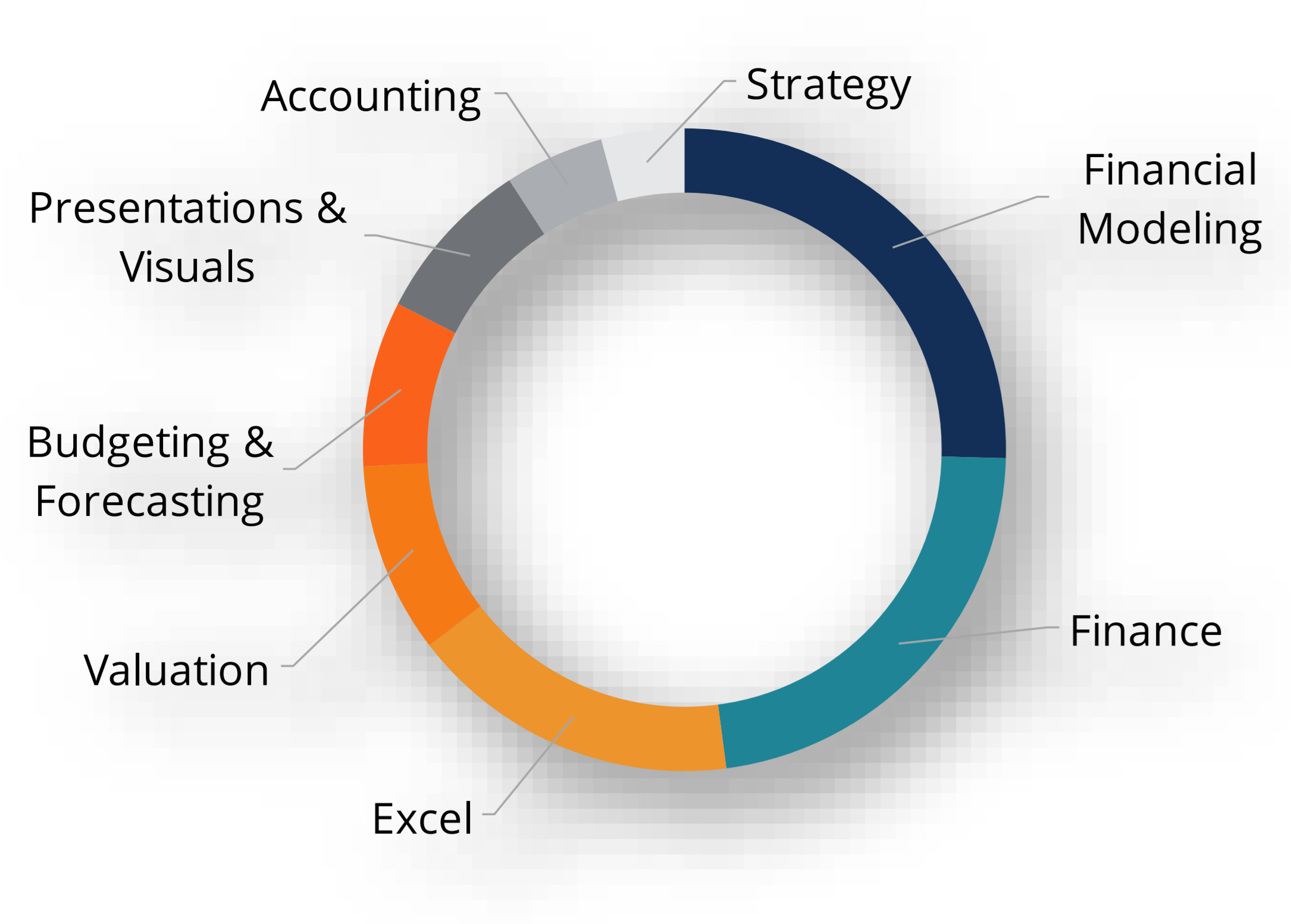
A well rounded financial analyst possesses all of the above skills!
CFI is the global institution behind the financial modeling and valuation analyst FMVA® Designation. CFI is on a mission to enable anyone to be a great financial analyst and have a great career path. In order to help you advance your career, CFI has compiled many resources to assist you along the path.
In order to become a great financial analyst, here are some more questions and answers for you to discover:
Learn accounting fundamentals and how to read financial statements with CFI's online accounting classes. These courses will give you the confidence to perform world-class financial analyst work. Start now!
Boost your confidence and master accounting skills effortlessly with CFI’s expert-led courses! Choose CFI for unparalleled industry expertise and hands-on learning that prepares you for real-world success.